
Your POS Knows More Than You Think: 5 POS Metrics Small Businesses Should Track
Don’t ghost your data. 👻
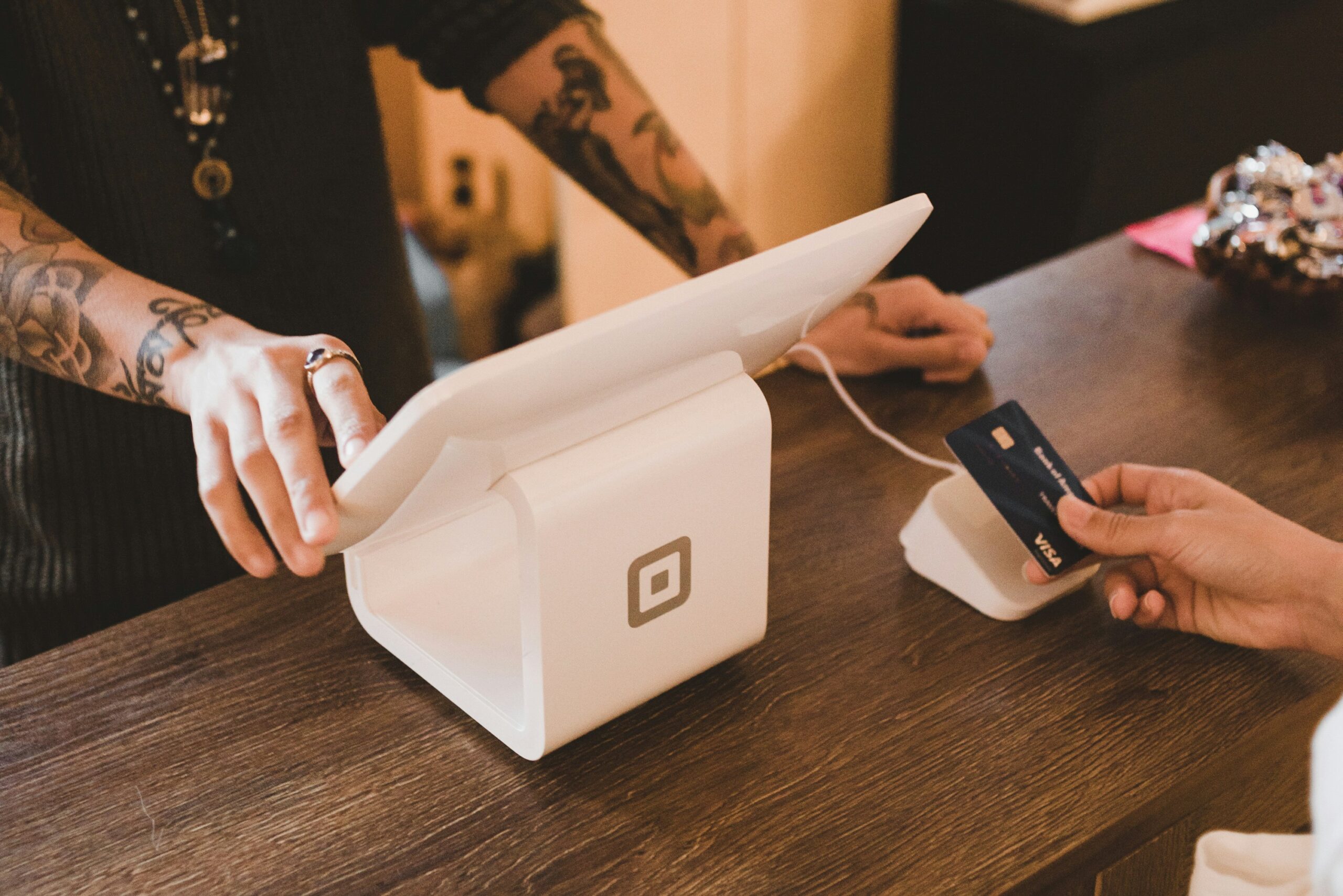
Your point-of-sale system does a lot more than ring up purchases.
Every sale is quietly telling you something: what customers are buying, when they’re buying it, how much they’re spending, and which products are actually bringing money through the door.
And if you’re only using your POS to process payments?
You might be ghosting some of the most useful data your business already has. 👀
Whether you use Square, Clover, Shopify, or another POS system, here are five numbers worth paying attention to—and how they can help you make smarter money decisions.
👻 1. Your Best-Selling Products
You probably have a pretty good idea of what customers love—but your POS can tell you for sure.
Look at which products or services consistently generate the most sales, not just what feels popular.
Ask yourself:
- Which products sell most often?
- Which generate the most revenue?
- Are certain products becoming more or less popular?
- Are there items taking up inventory without actually moving?
Knowing your strongest sellers can help you decide what to restock, promote, bundle, or potentially stop carrying.

👀 2. Your Busiest—and Slowest—Times
Your sales data can reveal patterns throughout the day, week, month, and even year.
Maybe Saturday afternoons are consistently packed. Maybe Tuesday mornings are painfully quiet. Maybe sales spike around payday or certain holidays.
Those patterns can help you make better decisions about staffing, inventory, promotions, and operating hours instead of guessing.
And heading into the holiday season, understanding those patterns becomes even more valuable.
🍬 3. Average Transaction Value
How much does the average customer spend each time they visit?
Your average transaction value (ATV) can tell you whether customers are buying one small item or combining several purchases.
If the number is lower than you’d like, you don’t necessarily need more customers to increase revenue.
You might experiment with bundles, add-ons, complementary products, or minimum-spend promotions to increase the value of purchases you’re already getting.
🎃 4. Sales Trends Over Time
One great sales day doesn’t necessarily mean business is booming—and one slow afternoon doesn’t mean it’s time to panic.
Look at the bigger picture.
Compare this month with last month. Compare this October with last October if you have the data. Look for patterns rather than isolated numbers.
Are sales actually growing? Are they staying flat? Is there a seasonal dip you should prepare for?
Your POS can help you spot those trends before they turn into a cash-flow jump scare. 😱

💸 5. Sales vs. the Cash You Actually Have
Here’s where things can get scary.
Sales aren’t the same thing as available cash.
Your POS might show a great month while your bank account tells a very different story.
Inventory purchases, payroll, rent, subscriptions, taxes, vendor payments, and other expenses all affect how much money your business actually has available.
That’s why POS data becomes even more useful when you look at it alongside the rest of your finances.
No Tricks—Just Better Business Decisions 🍬

Your POS already contains valuable information about your business.
The goal isn’t to obsess over every number. It’s to identify the numbers that help you answer questions like:
What’s working? What’s changing? Where is my money going? And what can my business actually afford next?
That’s where ONEBIT comes in.
ONEBIT helps small-business owners get a clearer picture of their finances so they can understand their cash flow and make decisions with more confidence—not just vibes. 😉
This October, don’t ghost your data.
Use what your business is already telling you.