
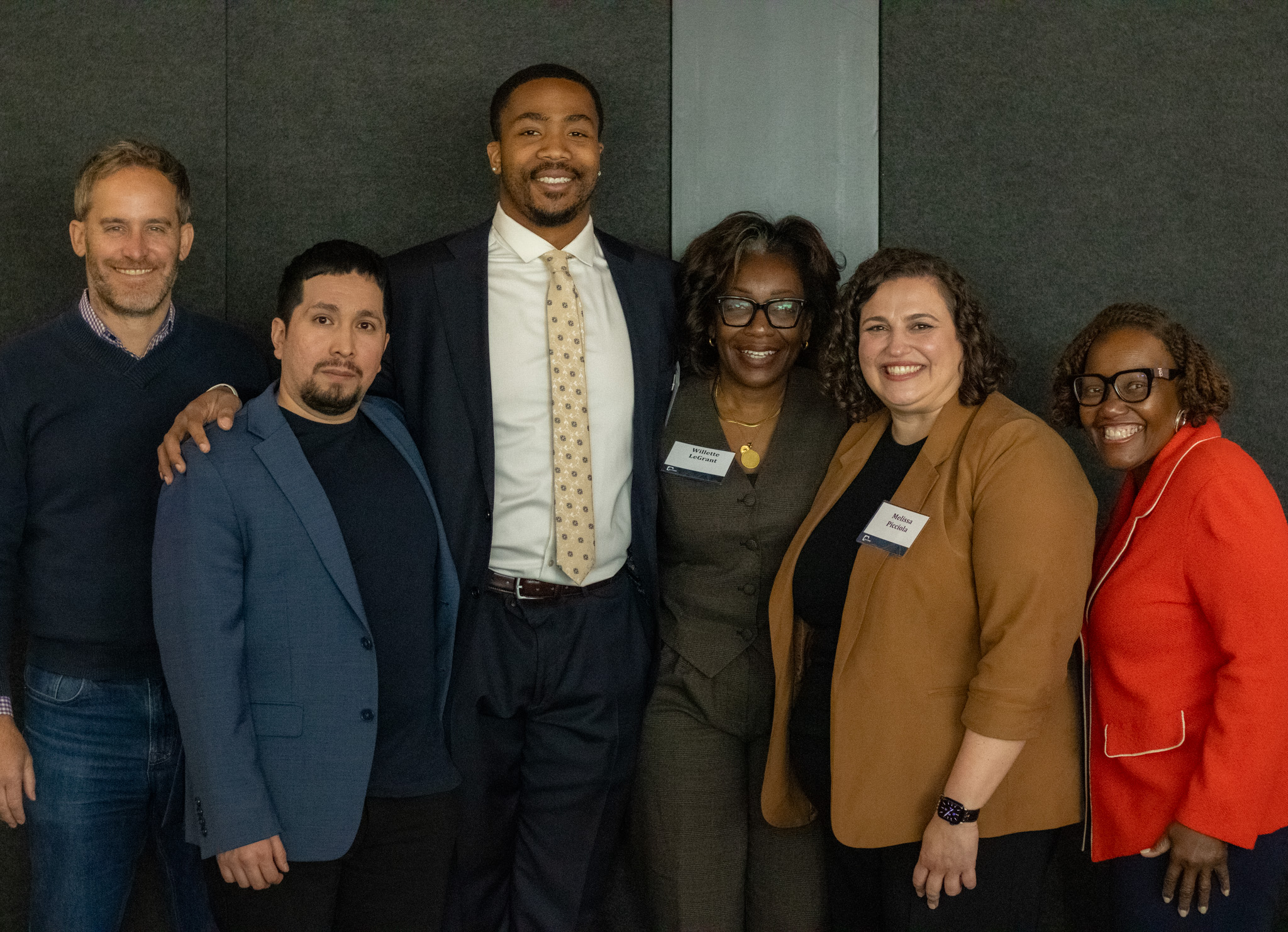
Building for the Second Half of the Year: Highlights from the Chicago Small Business Strategy Summit

This past month, ONEBIT partnered alongside Legal Aid for New Entrepreneurs (LANE) and Eruo Advisory to host the Chicago Small Business Strategy Summit—a collaborative event designed to bring together entrepreneurs, community leaders, and business support organizations committed to helping small businesses build, launch, and scale successfully.
The summit featured an opening panel on the State of Chicago Small Business with leaders from the U.S. Small Business Administration (SBA), Chicago Urban League, and Allies for Community Business, who shared valuable insights on the opportunities, challenges, and resources available to entrepreneurs across Chicago.
Throughout the day, attendees participated in discussions focused on legal foundations, financial clarity, digital growth strategies, and long-term business planning—equipping them with practical tools and actionable insights to strengthen their businesses and prepare for sustainable growth.
By bringing together organizations dedicated to supporting entrepreneurs, the Chicago Small Business Strategy Summit showcased the power of collaboration and reinforced a shared commitment to helping small business owners access the knowledge, resources, and connections they need to thrive.
Small Businesses Grow Stronger with Systems

Many of the conversations throughout the summit centered on a similar challenge: business owners often wait too long to build the systems that support growth.
From legal foundations to financial organization and digital strategy, the message was clear—building intentionally early can create more flexibility later.
Whether someone is launching their first business or preparing for their next stage of growth, creating structure today can make tomorrow’s decisions easier.
Financial Visibility Creates Better Decisions

One of the recurring themes throughout the summit was that strong businesses are built on clear financial habits early—not later.
For entrepreneurs getting started, one practical recommendation stood out:
Open a dedicated business bank account and begin tracking expenses from day one.
Separating personal and business finances can make it easier to understand cash flow, monitor profitability, prepare for growth, and make better decisions over time.
At ONEBIT, the discussion emphasized helping business owners create systems that provide clearer visibility into their operations and finances—making it easier to make informed decisions and build with confidence over time.
The earlier a business creates financial structure, the easier growth becomes
• separate business finances
• track expenses consistently
• understand cash flow
• make decisions with confidence
Growth starts with understanding where your business stands today.
Growth Is More Than Marketing

Growth extends beyond visibility—it requires positioning, strategy, and processes that support long-term momentum.
Discussions explored how businesses can think intentionally about digital presence, operational efficiency, and sustainable decision-making rather than chasing short-term wins.
Key themes included:
• digital strategy
• positioning
• sustainable growth
Building With Intention

Long-term success rarely happens by accident.
Conversations around strategic advising encouraged business owners to think beyond immediate goals and focus on creating plans that support sustainable growth and measurable impact over time.
Themes included:
• strategic advising
• long-term planning
• measurable impact
Looking Ahead

Events like the Chicago Small Business Strategy Summit serve as a reminder that growth happens through knowledge, relationships, and intentional action.
As these conversations continue, ONEBIT looks forward to exploring more practical insights and resources designed to support small business owners throughout their journey.
Themes That Continued Beyond the Summit
Throughout the entire event, one idea appeared across multiple conversations: sustainable growth starts with financial clarity. From separating business expenses early to building systems that support visibility and decision-making, preparation today creates more flexibility tomorrow.