

How to Choose the Right Small Business Accounting Software (2026 Guide)

If you’ve ever tried to choose small business accounting software, you know how overwhelming it can feel.

There are dozens of options, each promising to simplify your finances — but not all of them actually make running your business easier.

⭐ Quick Summary: What to Look For

If you’re short on time, here’s what matters most:

✔ Easy-to-use dashboard
✔ Integrations with your tools
✔ Real-time reporting
✔ Automation features
✔ Ability to grow with your business

Why Choosing the Right Accounting Software Matters

💡 Tip: If you’re spending more time fixing numbers than growing your business, it’s probably time to upgrade your tools.

Many business owners start with spreadsheets or disconnected tools and at first, that works.

But as the business grows, things get more complicated.

You may find yourself:

    • Spending hours reconciling numbers
    • Tracking invoices manually
      • If you’re still managing taxes manually, you may also want to read our guide on important tax deadlines for small businesses. 
    • Trying to understand cash flow
    • Switching between multiple apps

We hear business owners say things like:

“I know money is coming in, but I can’t clearly see where it’s going.”
“I spend too much time fixing numbers instead of running my business.”

If that sounds familiar, you’re not alone.

Modern accounting software exists to remove those frustrations.
Key Features To Look For In Accounting Software 📊

Not all accounting software is built the same. These features truly matter.

1️⃣ Ease of Use

Your accounting software should feel intuitive — not complicated.

If it takes hours to figure out how to run a simple report, that’s a red flag.

Look for:

  • Clean dashboards
  • Simple navigation
  • Easy reporting tools
  • Minimal manual entry

For example:

restaurant owner should be able to quickly check daily sales.
service business should easily track invoices and payments.
retail store should see inventory and revenue clearly.

You shouldn’t need to be an accountant to understand your numbers.

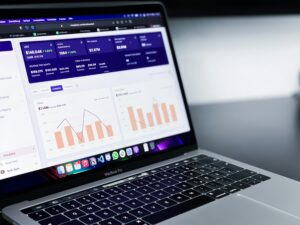
Financial analytics dashboard displayed on laptop for small business accounting

2️⃣ Integration With Your Existing Tools

One of the biggest mistakes businesses make is choosing software that doesn’t connect to their existing tools.

Your accounting software should integrate with:

✔ POS systems
✔ Bank accounts
✔ Payment platforms
✔ Payroll tools

When systems connect automatically, you:

✔ Reduce errors
✔ Save time
✔ Improve accuracy

Disconnected systems create confusion. Connected systems create clarity.

3️⃣ Real-Time Reporting

Waiting days or weeks to understand your numbers is no longer acceptable.

Modern small business accounting software should provide:

✔ Real-time financial dashboards
✔ Profit and loss reports
✔ Cash flow visibility
✔ Performance insights

This allows business owners to:

  • Make faster decisions
  • Plan hiring
  • Adjust expenses
  • Track profitability

Real-time insights help businesses stay ahead — not behind.

4️⃣ Automation That Saves Time

Automation is one of the most valuable features in modern accounting software.

Look for tools that can:

✔ Automatically categorize transactions
✔ Generate recurring reports
✔ Send invoices automatically
✔ Track payments without manual input

Automation reduces:

❌ Human error
❌ Manual work
❌ Missed payments

And most importantly — it gives you time back.

Common Mistakes to Avoid

Many businesses choose accounting software without realizing what matters most.

Here are common mistakes to avoid.

Small business owner reviewing financial paperwork and calculating expenses

❌ Choosing Based on Price Alone

Low-cost software may seem appealing, but it often creates more work later.

Instead of focusing only on price, consider:

✔ Time saved
✔ Accuracy gained
✔ Long-term growth

Value matters more than price.

❌ Ignoring Integration Capabilities

If your accounting software doesn’t connect with your tools, you’ll spend more time fixing errors manually.

Always check compatibility before committing.


❌ Choosing Overly Complicated Software

More features don’t always mean better results.

The best systems are:

✔ Simple
✔ Efficient
✔ Built for everyday use

Complex tools often create unnecessary frustration.

What Modern Businesses Really Need

Today’s businesses need more than basic bookkeeping.

They need:

✔ Automation
✔ Real-time insights
✔ Connected systems
✔ Financial clarity

Whether you’re running:

🍽 A restaurant

🛠 A service business

🛍 A retail store

🚀 A startup

The right tools should make your work easier — not harder.

Modern platforms like ONEBIT combine bookkeeping, reporting, and automation into one system, helping business owners understand their numbers without juggling multiple tools.


Frequently Asked Questions

What should small businesses look for in accounting software?

Small businesses should look for accounting software that offers automation, integrations, real-time reporting, and ease of use. These features help reduce manual work and improve financial accuracy.

Is cloud-based accounting software better?

Yes. Cloud-based accounting software allows business owners to access their financial data from anywhere while receiving real-time updates and automatic backups.

Can accounting software help save time?

Absolutely. Modern accounting software automates repetitive tasks like transaction categorization, reporting, and invoicing — saving business owners valuable time.

Final Thoughts: Choose Software That Supports Growth

Choosing the right small business accounting software isn’t just about tracking numbers — it’s about building confidence in your business.

The right system should:

✔Save time
✔ Reduce stress
✔ Improve accuracy
✔ Support long-term growth

When your financial tools work properly, running your business becomes clearer, faster, and more predictable.

And that’s exactly what every business owner deserves.

If you're ready to simplify your bookkeeping, exploring modern platforms like ONEBIT can be a great place to start.